
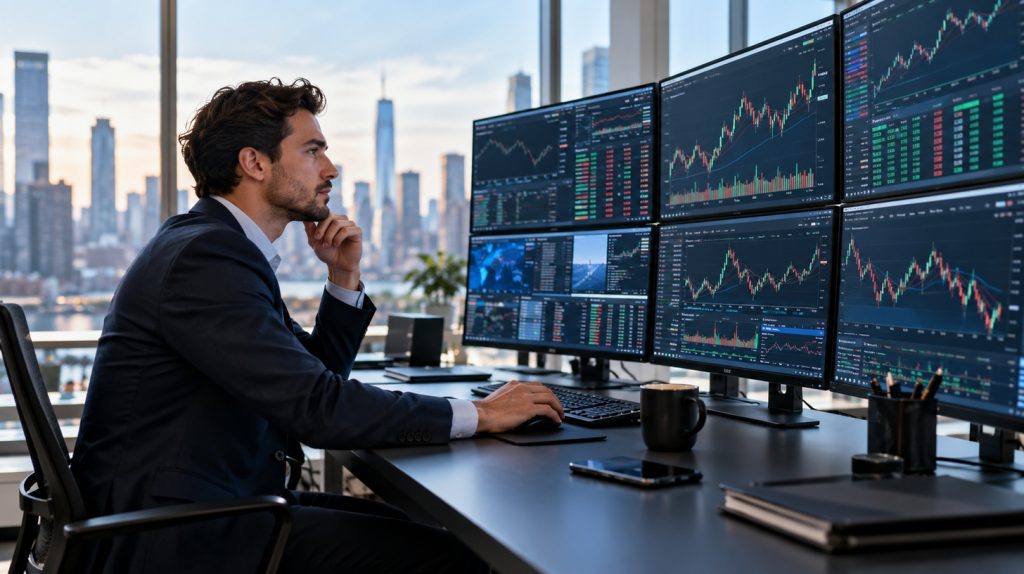
As investing becomes more accessible, a key question emerges: what does the future hold for stock exchanges? Investors looking to understand what could shape their returns might follow financial news, keep an eye on exchange updates, or browse sites such as the RoboForex website. But with technology changing how markets operate, the real challenge is figuring out which developments will matter in the long run.
Here are seven factors worth watching as stock exchanges evolve.
Blockchain integration
Blockchain technology is already making its mark on financial markets—and its influence is only set to grow. By decentralizing and securing transaction records, blockchain eliminates the need for traditional intermediaries, reducing costs and speeding up settlement times.
The security, transparency, and efficiency it offers mean it’s here to stay. For brokerages, this creates an opportunity to attract tech-savvy traders who prioritize these qualities, while also enhancing platform credibility and opening doors to new markets.
AI-driven trading algorithms
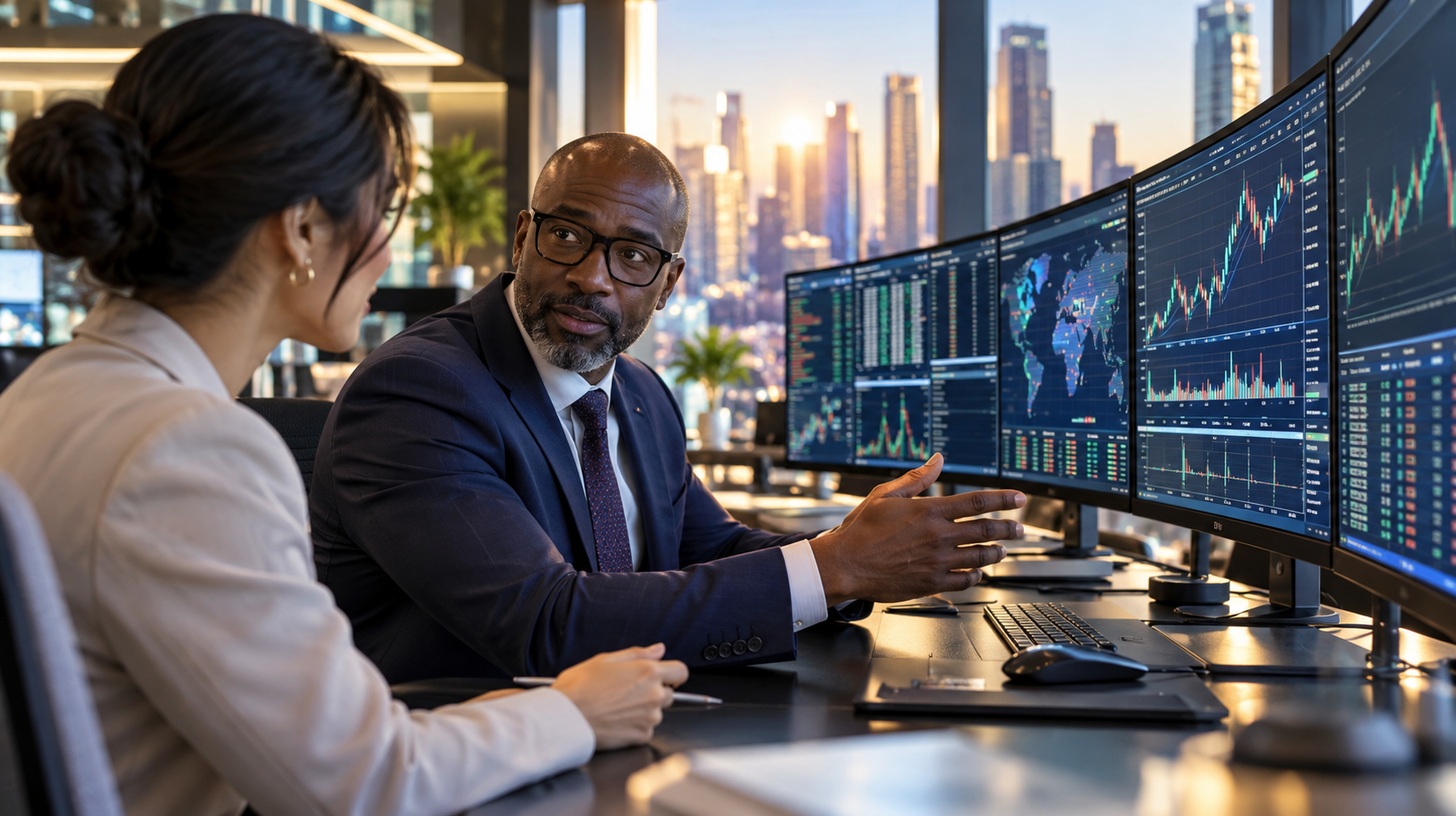
Artificial intelligence is reshaping how trading platforms operate. AI algorithms can process vast amounts of data in real time, delivering market insights that were previously out of reach.
Beyond analysis, AI improves the end-user experience through personalized trading recommendations, better liquidity management, and higher trading volumes—making it a valuable tool for both platforms and traders.
Regulatory technology (RegTech)
RegTech refers to solutions that automate compliance processes such as monitoring, reporting, and auditing. For brokerages, this means lower compliance costs, reduced risk, and greater platform credibility.
As regulations grow more complex and globalized, the ability to adapt quickly without significant manual intervention will be essential for long-term competitiveness.
Digital assets
Cryptocurrencies and tokenized assets present a significant growth opportunity for stock exchanges. By supporting digital asset trading, platforms can attract a broader range of investors looking beyond traditional securities.
This not only opens new revenue streams but also signals a forward-thinking approach—positioning platforms as ready for the future of finance.
Market data visualization
The ability to interpret market data quickly and accurately is now a baseline expectation among traders. Advanced visualization tools have transformed how traders interact with financial data, making it easier to spot trends, assess risks, and make informed decisions.
For brokerages, investing in strong visualization capabilities can be a powerful tool for attracting and retaining users, particularly when it leads to better trading outcomes.
Full exchange ecosystems
Full exchange ecosystems are platforms that bring together a comprehensive suite of services—including settlement, compliance, and risk management—within a single, unified system.
By reducing reliance on multiple service providers and simplifying regulatory adherence, these ecosystems streamline operations and improve the overall user experience. Strong performance across the board helps attract a wider range of market participants.
Front-end/UI connectivity for exchanges
Brokerages looking to stay competitive should evaluate their front-end and UI connectivity. This means assessing how easily your firm can access and interact with your exchange’s trading systems—taking into account design, functionality, and integration capabilities.